Millions of people worldwide suffer from rosacea, a prevalent skin disorder. It frequently affects self-esteem and quality of life and results in redness, visible blood vessels, and occasionally acne-like outbreaks. Seeking a professional rosacea treatment Manchester can help manage these symptoms effectively.
Rosacea mostly affects the face, and each person has different symptoms and levels of severity. At SLA Medical Clinic in Manchester Manchester, we think that people can successfully manage rosacea if they are aware of the different varieties of the condition, its triggers, and the various treatments.
The many forms of rosacea will be discussed in this blog, along with typical triggers that exacerbate flare-ups and practical lifestyle and medication solutions to help you restore confidence and control over your complexion.
What Are The Main Types Of Rosacea?
Rosacea comes in four primary varieties, and unlike other skin disorders, patients may exhibit symptoms of multiple types simultaneously. Finding a suitable treatment for rosacea begins with a professional assessment of the patient’s skin and medical history. We must evaluate the patient’s skin, talk about their medical history, and determine the best options for their needs to develop an appropriate treatment plan.
Finding the type or types of rosacea that are present is the first step in this approach. There are four varieties of rosacea.
Although these types mostly affect the face, head, and neck, additional body areas may be affected. Increased inflammation is a prevalent underlying issue, according to researchers.
Erythematotelangiectatic Rosacea (ETR)
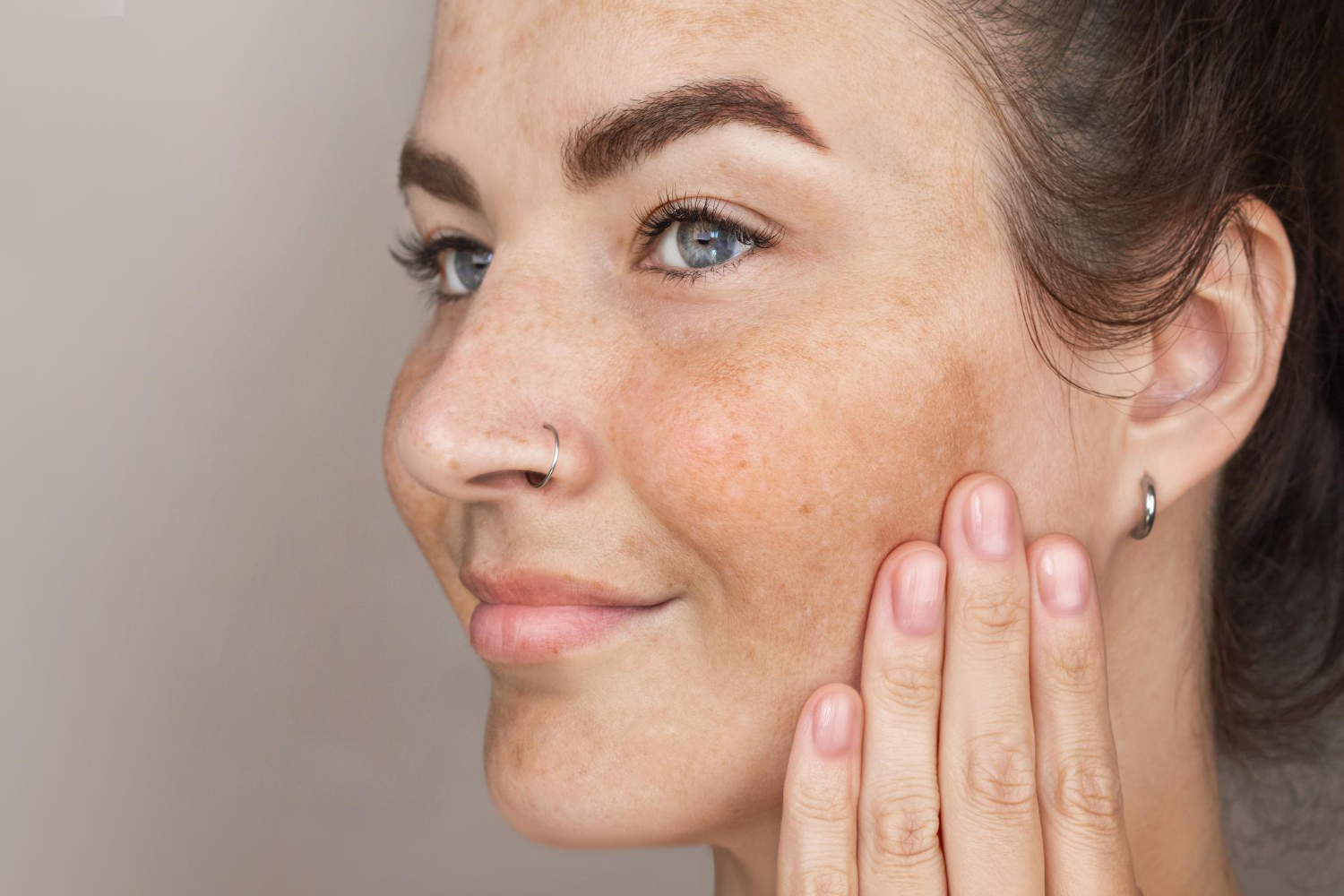
The most well-known type of rosacea, ETR, is typified by persistent facial flushing and redness, usually on the forehead, nose, and cheeks. For those seeking advanced clinical solutions, rosacea and laser therapies are often recommended to target these specific vascular changes.
- Symptoms: Symptoms include warm, tingling, or stinging sensations, dilated blood vessels, and sometimes redness.
- Progression: Redness may become more frequent and last longer if left untreated, spreading to the scalp, neck, and chin.
- Extra Features: Affected areas frequently have dry or scaly skin.
Papulopustular Rosacea
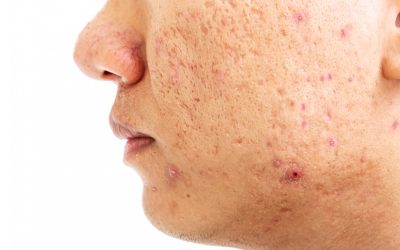
This form, which combines face redness with acne-like outbreaks, is frequently referred to as acne rosacea. Finding an effective acne rosacea treatment is essential to prevent scarring and persistent inflammation.
- Symptoms: Symptoms include painful blemishes (papules and pustules) that are mostly located in the middle of the face but can also occasionally affect the shoulders, neck, scalp, or chest.
- Triggers: More prevalent in middle-aged adults, particularly women, and frequently accompanied by dry or greasy patches, burning sensations, and sensitive skin.
- Progression: Rough plaques may emerge as dry spots get thicker over time.
Phymatous Rosacea
Thickened, uneven skin, especially around the nose, is a symptom of phymatous rosacea.
- Symptoms: Symptoms include redness with blood vessels visible, increased pores, and skin accumulation.
- Progression: May result in rhinophyma, a disorder where untreated skin thickening causes the nose to appear bulbous.
- Demographics: One of the rarest, most severe types of rosacea, more prevalent in men.
Ocular Rosacea
This kind causes inflammation and discomfort in the eyes.
- Symptoms: Red, bloodshot eyes, swollen eyelids, and stye-like lumps are the symptoms.
- Additional Issues: Other problems include dry, watery, burning eyes, blurred vision, and light sensitivity.
- Challenges: Because of its ocular focus, it is frequently misunderstood as unrelated to rosacea. Cyst-like lumps and visible blood vessels on the eyelids can be important diagnostic markers.
Common Rosacea Triggers
Certain triggers, which differ from person to person, frequently exacerbate rosacea symptoms. Managing flare-ups might be aided by being aware of these causes. Here are a few typical things to be aware of:
Environmental Factors
- Sun Exposure: By widening blood vessels, UV radiation can exacerbate rosacea. Wear protective clothes and apply a broad-spectrum sunscreen (SPF 30+) to protect your skin.
- Extreme Weather: Wind and temperatures that are too hot or cold can irritate skin. When it’s cold outside, cover your face with a thicker moisturiser.
Lifestyle Influences
- Diet: Common triggers include spicy foods, hot liquids, and products high in histamine (a compound that can cause allergic reactions), such as aged cheese and wine. To find your triggers and include anti-inflammatory foods like fruits and vegetables in your diet, keep a food journal.
- Alcohol: Red wine and other alcoholic beverages frequently exacerbate symptoms. If alcohol causes flare-ups, limit or stay away from it.
- Stress & Hormones: Emotional stress and hormonal fluctuations can exacerbate rosacea. Use stress-reduction strategies like yoga, meditation, or regular exercise.
Skincare And Cosmetics
- Harsh Products: Skincare products containing alcohol, astringents, or scents may irritate sensitive skin. Choose moisturising, gentle products made for delicate skin.
- Cosmetics: Excessive or bothersome cosmetics might exacerbate symptoms. To avoid irritation, use fragrance-free, non-comedogenic products and take care when removing makeup.
Rosacea Diagnosis And Consultation
For rosacea to be effectively treated, an accurate diagnosis is necessary. Consulting a rosacea treatment dermatologist ensures that the unique nuances of your skin are addressed with medical precision. Rosacea differs by type, necessitating customised treatment regimens, even though its symptoms may appear simple. A qualified diagnosis guarantees the appropriate course of treatment for your ailment.
Your dermatologist will do the following during a consultation:
- Look at your skin.
- Examine your past medical records.
- Talk about potential factors, including nutrition, skincare practices, and lifestyle choices, that may contribute to the development or exacerbation of skin conditions like rosacea.
- The precise form of rosacea can be identified with a visual inspection, which will also direct the creation of a customised treatment plan.
How Can SLA Medical Clinic Help In Rosacea Treatment?
Advanced rosacea treatments are the speciality of SLA Medical Clinic in Manchester, which has many years of experience. Our staff provides personalised consultations to determine your skin’s needs, suggest state-of-the-art procedures, and offer advice on lifestyle changes.
We treat rosacea holistically, addressing both its underlying causes and its symptoms by combining cutting-edge technologies with proven techniques.
Start down the path to healthier, cleaner skin. Please reach out to SLA Medical Clinic in Manchester to arrange a consultation with one of our skilled dermatologists at your earliest convenience. Make an appointment with us right now to see how we can help you restore your self-confidence!
What Treatments Are Available For Rosacea?
Each person has different choices for treating rosacea. Relieving symptoms and keeping them from getting worse are the main objectives. A popular option for long-term management is rosacea laser treatment, which helps reduce persistent facial redness. Options for treatment include:
Medicines To Treat Rosacea
Redness, pimples, and flare-ups can be efficiently managed with oral and topical medicines. These consist of:
Metronidazole
An antibiotic applied topically for mild to moderate rosacea.
- How it works: It lessens redness and irritation.
- Timeline: Progress will be continuous throughout the months, with noticeable improvements in three to six weeks.
Azelaic Acid
Azelaic acid is a natural substance that effectively combats microorganisms and inflammation.
- How it works: It lessens papules and redness.
- Timeline: It takes 4–8 weeks to see results.
Ivermectin
Ivermectin focuses on the Demodex mites, which are tiny parasites that can worsen rosacea, a skin condition characterised by redness and pimples.
- How it works: It lessens papules and inflammation.
- Timeline: Within four weeks, there will be a discernible improvement.
Clindamycin
For severe infections, a topical antibiotic is frequently used in conjunction with oral therapies.
- How it works: It works by lowering inflammation and bacterial development.
- Timeline: Full benefits may take months, although results appear in a few weeks.
Doxycycline
For moderate to severe rosacea, an oral antibiotic is recommended.
- How it works: It combines antibacterial and anti-inflammatory properties.
- Timeline: Long-term advantages and improvement in two to four weeks.
Other Medications To Treat Rosacea
- Sulfacetamide: Adds anti-inflammatory properties by combining with sulphur.
- Minocycline and Tetracycline: For severe instances, minocycline and tetracycline are substitutes for doxycycline.
- Oxymetazoline and Brimonidine: Topicals that restrict blood vessels, such as oxymetazoline and brimonidine, can rapidly diminish persistent redness (effects within 1–2 hours).
Advanced Procedures For Rosacea
These treatments provide favourable outcomes for patients who need more solutions:
Laser Treatment For Rosacea Near Me
- How it works: Redness and visible blood vessels are targeted by focused light. Rosacea redness laser treatment is highly effective at collapsing the tiny vessels that cause a flushed appearance.
- Ideal for: Blood vessels that don’t respond to topical treatments and extreme redness.
- Timeline: After several sessions that span several months, the results of rosacea laser treatment near me become apparent.
Advanced Laser Treatments For Rosacea At SLA Medical Clinic in Manchester, Manchester
Picoway® and ClearLift™ laser treatments are two of the cutting-edge rosacea management options offered at SLA Medical Clinic in Manchester.
Picoway®
This cutting-edge rosacea laser therapy targets redness and stubborn pigmentation with fast, precise pulses, dissolving them to reveal skin that is smoother and more evenly toned.
ClearLift™
ClearLift™ is a gentle yet efficient solution that is perfect for sensitive skin because it improves skin texture and minimises pigmentation without causing any downtime. It is a leading laser treatment for rosacea in modern aesthetic clinics. To achieve a more balanced and healthy-looking complexion, both treatments are quite successful in reducing the obvious signs of rosacea, such as redness and uneven tone.
BBL™ – Broadband Light
- How It Operates: BBL™ targets visible blood vessels, redness, and discolouration with broad-spectrum photothermal energy. Using intense pulsed light for rosacea management helps heat the skin to remove pigmented cells and broken capillaries. To promote cell renewal and collagen formation for a more radiant, youthful appearance, this treatment works by heating the skin to remove pigmented cells and broken capillaries.
- Best For: BBL™ works wonders for moderate to severe sun damage, rosacea, redness, broken capillaries, and pigmentation.
- Timeline: Usually, noticeable changes emerge after three to five sessions, separated by four to six weeks. With consistent upkeep, results keep getting better.
Trusted BBL™ Treatments At SLA Medical Clinic in Manchester
With many years of experience, SLA Medical Clinic in Manchester is a reputable supplier of BBL™ treatments in Manchester. Laser surgery for rosacea or light-based therapies can provide life-changing results for patients.
BBL™ is considered the “Gold Standard” in skincare and is a state-of-the-art development in IPL for rosacea therapy. It helps you attain a more even and radiant complexion by addressing pigmentation, sun damage, rosacea, broken capillaries, and freckles.
For glowing, balanced skin, we at SLA Medical Clinic in Manchester advise including BBL™ in your skincare regimen. Discover the life-changing advantages of BBL™, a proven necessity for radiant, healthy skin.
Rosacea Pulsed Light Treatment
IPL rosacea treatment uses advanced light technology to reduce facial redness, broken capillaries, and inflammation caused by rosacea. This IPL rosacea Manchester works by delivering controlled light pulses that target visible blood vessels under the skin. The heat from the light helps shrink these vessels and improve overall skin tone. Many people searching for intense pulsed light therapy near me choose IPL because it is non-invasive and requires minimal downtime. Clinics such as SLA Medical Clinic in Manchester offer IPL sessions that typically take 20–30 minutes, with multiple treatments recommended for the best results.
Dermabrasion For Rosacea Treatment
- How it works: To treat thickness and pimples, the outermost layers of skin are removed.
- Most effective for: Severe rosacea, especially rhinophyma (thickened skin of the nose).
- Timeline: After recuperation, which could take a few weeks, the skin will be smoother.
Electrosurgery For Rosacea Treatment
- How it works: Visible blood vessels and thicker skin are removed by electrical currents. Using laser treatment for acne rosacea in combination with electrosurgery can sometimes be necessary for advanced cases.
- Ideal for: Severe cases, particularly those that don’t respond to other therapies.
- Timeline: For best results, several sessions could be necessary.
Conclusion
With the right info and remedies, you can manage rosacea and improve your skin’s health. If you are searching for treatment for rosacea Manchester, exploring local clinical options is the first step toward a clearer complexion. You may lessen flare-ups and regain confidence by being aware of the different forms of rosacea, figuring out what triggers it, and investigating lifestyle and medicinal remedies tailored to your needs.
Our knowledge and cutting-edge technology at the SLA Medical Clinic in Manchester enable us to offer specialised care for your particular requirements. If you have been searching for “laser for rosacea near me,” our Manchester location provides easy access to world-class dermatology. Our committed staff is here to help, whether you’re looking for relief from visible blood vessels, redness, or other symptoms.
Don’t let your rosacea stop you. Today, start down the path to calmer, healthier skin. To arrange your consultation and begin your path to clarity and self-assurance, get in touch with us.
https://www.perplexity.ai/search/sla-medical-clinic-rosacea-tre-qcMzflKFRyerUH49fDq9AA
https://gemini.google.com/share/fe1a99431e97
FAQs
Can lifestyle changes help manage rosacea?
Yes, flare-ups can be lessened by avoiding triggers, including specific meals, alcohol, and sun exposure, as well as by practising gentle skincare and stress management.
Does rosacea get worse with age?
Rosacea symptoms can be controlled with early diagnosis and therapy, although they frequently get worse after the age of 45.
What are the main types of rosacea treated at the SLA Medical Clinic in Manchester
At SLA Medical Clinic in Manchester in Manchester, dermatologists identify the four primary types of rosacea: erythematotelangiectatic (ETR), papulopustular, phymatous, and ocular. Understanding your type helps tailor effective treatments and manage flare-ups.
Which lifestyle changes can help control rosacea symptoms in Manchester patients?
Patients in Manchester can reduce rosacea flare-ups by avoiding triggers like spicy foods, alcohol, extreme sun exposure, and stress. Gentle skincare routines and protective measures, such as sunscreen and moisturisers, also help manage redness and irritation.
What advanced treatments for rosacea are available at the SLA Medical Clinic in Manchester?
SLA Medical Clinic in Manchester offers state-of-the-art treatments, including ClearLift™ laser therapies, BBL™ phototherapy, dermabrasion, and electrosurgery. These options target redness, visible blood vessels, pigmentation, and thickened skin for effective results.
How quickly can patients in Manchester see results from rosacea treatments?
Depending on the procedure, patients may notice improvements in skin redness and texture within a few weeks. Laser and BBL™ treatments often show visible changes after 3–5 sessions, while topical or oral medications gradually improve symptoms over several weeks.
Can rosacea be managed alongside other skin concerns at SLA Medical Clinic in Manchester?
Yes, the dermatologists at SLA Medical Clinic in Manchester in Manchester provide comprehensive care that addresses rosacea along with related skin issues like acne, pigmentation, and sensitivity. Customised plans ensure optimal results and healthier-looking skin.
How does light therapy for rosacea works?
Light therapy is a non-invasive treatment that targets redness, inflammation, and visible blood vessels associated with rosacea. Treatments such as intense pulsed light Manchester use controlled light energy to penetrate the skin and reduce dilated blood vessels that cause persistent redness. This approach, often referred to as IPL laser rosacea treatment, helps calm the skin, improve tone, and minimise flare-ups over time. Clinics like SLA Medical Clinic in Manchester offer personalised light-based therapies to help patients achieve clearer and healthier-looking skin. Red light therapy rosacea before and after results often show reduced redness, calmer skin, and a more even complexion, as light therapy helps decrease inflammation and improve skin healing over time.