
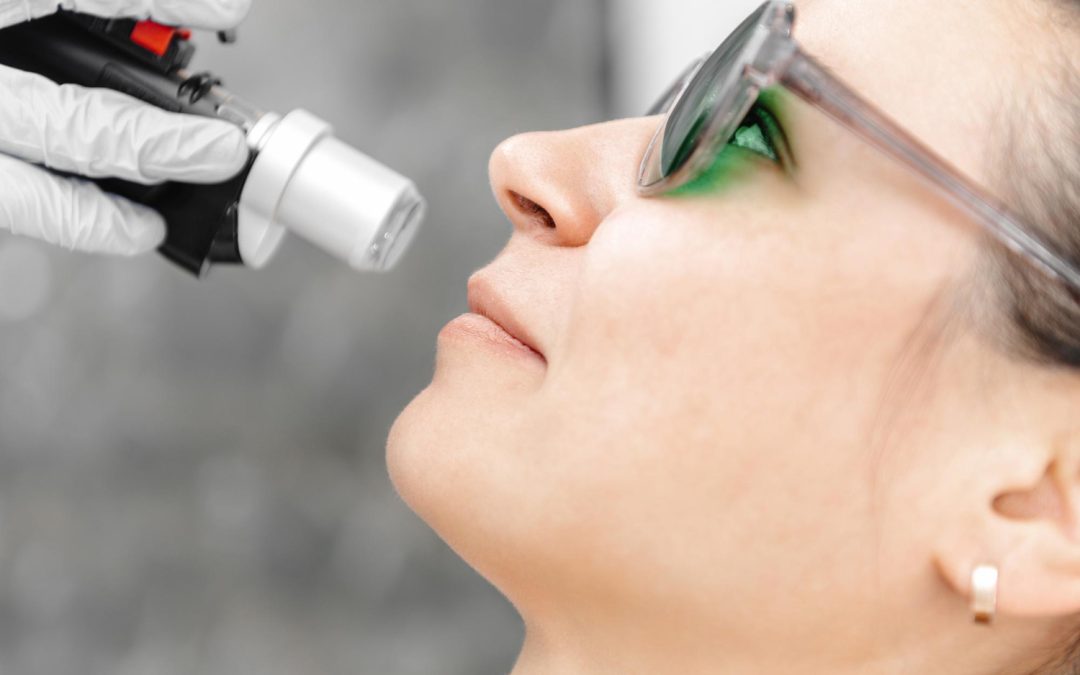
An ablative surgical tool is the carbon dioxide laser, sometimes known as the CO2 laser. Because it slices the skin’s surface, it can effectively eliminate large lesions or fix small imperfections. The post-treatment phase may disrupt your routine for a considerable amount of time. However, due to its unique benefits, professionals favour it over other lasers for skin resurfacing. CO2 laser recovery. Does CO2 laser therapy make sense? Learn as we go over the fundamentals of the process and what to anticipate while recovering.
What Happens During CO2 Laser Treatment?
At the beginning of your session, you will be requested to wear protective eyewear. The surgical site will then be cleaned by your physician. You will require numbing medicine throughout the operation because the CO2 laser treatment leaves shallow, open incisions in the problematic area. Although local anaesthesia is usually adequate, people with significant blemishes might require an oral sedative or another type of pain medication. The apparatus emits strong far-infrared laser beams that target the water molecules in the skin’s outermost layers. The apparatus vaporises the water in this area, essentially removing the skin’s surface from the surrounding tissue. Significant inflammation brought on by the injury promotes rapid tissue renewal and repair. Dermatologists can use the tool to remove lumps from the skin or to treat damaged or ageing skin. If you are seeking specialised care, finding a clinic that offers CO2 laser treatment in Manchester ensures you have access to expert local practitioners. The following skin conditions are among those for which the technique is recommended for:
- Sun damage
- Scarring from acne
- Wrinkles that are both fine and coarse
- Brown patches
- Seborrhoeic keratoses and other benign growths
- Stretch markings
- Warts
- Lesions with noticeable blood vessels, etc.
Although CO2 laser resurfacing procedures typically take less than an hour, extensive lesions may require more time to treat. After injection, the local anaesthetic typically takes 30 minutes to take effect. The majority of patients only need one session, while individuals with serious skin issues can need several.
How Does The CO2 Laser Compare To The Er:YAG Laser?
Another ablative kind is the erbium-doped yttrium aluminium garnet (Er:YAG) laser, sometimes referred to as the “erbium laser.” However, it may be used with greater precision since its light beams are even more selective for water in the outermost layers of the skin. Erbium ablative laser therapy reduces inflammation by causing less harm to skin cells. While many choose this for a lighter touch, the CO2 laser treatment remains the gold standard for deep tissue remodelling and intense rejuvenation. Although research indicates that it is just as successful as CO2 laser resurfacing, experts think the latter still results in superior cosmesis. Combining the two methods produces comparable outcomes while lowering inflammation and downtime.
What Is The Difference Between Ablative And Nonablative Lasers?
Vbeam and IPL are examples of nonablative laser types. Their light beams target the structures just beneath the skin, avoiding the skin’s surface. They only damage the interior layers of the skin, not the outside layers. Compared to ablative laser resurfacing, they cause a lot less inflammation. As a result, the cosmetic alterations are gradual and subtle, in contrast to those achieved with a comprehensive laser treatment for face rejuvenation. In general, using a nonablative laser instead of an ablative one would require more sessions to address the same skin issue.
What Is Fractional CO2 Laser Treatment?
Continuous skin regions are destroyed by conventional CO2 lasers. However, a fractional technique leaves undamaged areas between microscopic columns of injured tissue created by the device. Tissue regeneration and healing take place in the undamaged zones. Skin damage is reduced by fractional CO2 laser resurfacing. For those dealing with deep textural issues, a CO2 fraxel laser treatment provides a balance between significant results and a manageable healing process. Skin cooling or topical anaesthesia is sufficient to control pain during the treatment because it is less painful than the traditional variety. There is also less chance of pigmentation alterations and post-op scarring, and the downtime is shorter. However, it is also less successful in treating deeper lesions. Other laser types besides the CO2 laser can also undergo fractionation. You must select a skilled CO2 laser dermatologist Manchester to carry out your laser skin treatment, regardless of the type. You can only achieve outstanding cosmetic results from a highly qualified laser dermatologist. However, a less skilled practitioner can use these intricate tools more detrimentally than beneficially.
What Is The Timeline Of The Changes After CO2 Laser Skin Resurfacing Treatment?
The treated area will be noticeably inflamed for the first one to three days following the operation. Tissue waste is actively removed by immune cells, and old, broken collagen strands decompose. After that, deeper, collagenous tissues and the skin’s outer layer begin to heal (re-epithelialisation). By the fourteenth postoperative day, the fault has been fully closed. Understanding your specific CO2 laser recovery time is essential for planning your social and work calendar effectively. Although the creation of collagen peaks in the third month, it can continue to strengthen and remodel for months or even years. After three months, there is a noticeable improvement in the texture and appearance of the skin, although the full effects of the treatment might not be seen for up to a year. Skin that is sagging also gets tighter. The improvements from CO2 laser skin resurfacing can endure for years with the right maintenance.
What Should You Do To Get The Best Outcomes After CO2 Laser Treatment?
In addition to speeding up your recuperation, proper aftercare helps you achieve the greatest possible cosmetic outcomes. You can maximise the advantages of CO2 laser skin rejuvenation by doing the following:
- Appropriate wound treatment: Ablative lasers create skin flaws that require specific attention, in contrast to their nonablative counterparts. This process is vital for achieving successful laser skin tightening, as the skin needs a clean environment to produce new collagen. Your doctor will provide surgical wound care recommendations before the end of your session. After a day, you could be told to wash the site with water and mild soap. Thereafter, petroleum jelly is applied, and the dressing is changed. At least once a day, you might be told to change the bandage with a new one.
- Reducing your chance of experiencing trauma: In addition to being uncomfortable, trauma to the treatment site slows down your recuperation. To prevent it, you might need to limit your activity for ten to fourteen days. Additionally, you must avoid picking or scratching the treated area.
- Taking the postop drugs as directed: Anti-inflammatory or antibacterial medications may be recommended to some patients to treat or avoid problems. Nonetheless, you can address certain adverse effects by limiting your sun exposure, applying an ice pack to the treated area, taking good care of your wounds, etc. You must take any post-op drugs that your doctor gives as directed.
- Abstaining from alcohol and tobacco: It is important because alcohol and cigarettes can slow down the healing process of the skin. You may be told to avoid them before treatment and while the wound heals.
- Maintaining hydration and eating a balanced diet: Healing is facilitated by a balanced diet. It gives you all the nutrition your skin needs to heal.
- Steer clear of toxic substances, harsh chemical treatments, and unclean surfaces: Skin that is healing is extremely sensitive and prone to infection. We advise starting your skincare routine again only once your physician gives the all-clear. Avoid touching your skin with filthy hands, and stay away from polluted areas and unclean swimming pools.
Additionally, if you have any concerns that you believe might be connected to your operation, give your doctor a call. Following CO2 laser skin resurfacing, severe discomfort, swelling, redness, and bleeding are rare. Wound pus and post-op fever are signs of an infection. Breathing problems and widespread rashes may indicate a severe allergic reaction. If you have any of these symptoms, you need to get care right away.
Is CO2 Laser Resurfacing Painful?
Local anaesthesia is necessary for nonfractional CO2 laser treatment. When treating large areas, such as full-face skin resurfacing for wrinkles, or when they occur in pain-sensitive locations, sedation and other pain management techniques may be administered. For those specifically looking to tighten skin laser treatment, experts often recommend cooling cycles to minimise heat sensation during the pulse. In contrast, fractional laser operations typically just require topical anaesthesia or the application of skin cooling. Inflammation is the cause of pain throughout the CO2 laser recovery phase, which is most noticeable during the first three days. For moderate pain, you can take paracetamol. However, you could require anti-inflammatory drugs like ibuprofen and steroids if the inflammation is more severe. When inflammation decreases, pain disappears.
What Is The Downtime After A CO2 Laser Skin Resurfacing Procedure?
The downtime typically lasts two weeks, or roughly the same amount of time as the re-epithelialisation phase. Advanced age and unfavourable medical circumstances may prolong the process. Proper aftercare can accelerate the process. Some people are forced to limit their outdoor activities for a longer period of time due to skin redness, which can last for one to four months. This is a common part of the journey for those undergoing CO2 laser for wrinkles Manchester, where deep penetration is required. The laser provider’s method may be to blame, but an underlying medical issue could also be a factor. Minimising sun exposure, avoiding harsh skin treatments, and applying topical ascorbic acid can lessen its severity. The discolouration can be covered up using hypoallergenic makeup. When recuperating from CO2 laser treatment, which takes longer than recovery from other laser operations, patience is essential. However, it produces collagen, a strong inflammatory response, and skin rejuvenation, all of which result in better aesthetic results. The amazing result is worth the wait for many patients.
What Are The Side Effects Of CO2 Laser Resurfacing?
Due to postoperative inflammation, pain, redness, and swelling are typical following CO2 laser resurfacing treatment. However, they normally go away on their own within a few days and are bearable. If you notice fine CO2 laser lines appearing during the early healing phase, do not panic; these are usually the microscopic treatment zones beginning to shed. Anti-inflammatory medications sold over the counter can help lessen these symptoms even further. Vulnerable patients may sustain minor bruises. During the first 24 hours after treatment, the affected area can be treated by using an ice pack. Because recovering skin is more sensitive, some people may also have itching at the surgery site. It may be relieved by moderate topical steroids or oral antihistamines. If CO2 laser skin resurfacing is performed correctly, complications are uncommon. However, they consist of the following:
- Hypersensitivity: Anaesthetics, surgical gloves, and wound dressings can all cause allergic reactions. Steroids and antihistamines are used to treat the symptoms. However, a laser specialist avoids these by obtaining a thorough medical history and making necessary modifications throughout the process.
- Acne: Postop wound dressings and acne emollients can cause a pimple outbreak. Once the patient finishes these therapies, it may go away on its own, but in more difficult situations, antibiotics are needed.
- Milia: The use of emollients and wound dressings may also cause this syndrome, which is characterised by tiny skin bumps. When these therapies are stopped, it resolves on its own.
- Infection: Patients may be at risk for bacterial or fungal infections if they have poor surgical skills and disregard the aftercare guidelines. Microbial contamination may slow down wound healing. Antimicrobials are necessary for treatment. Cold sores can also be brought on by CO2 laser skin resurfacing. Your doctor may prescribe antiviral medications for prophylaxis or therapy, both before and after your appointment.
- Hyperpigmentation: This phenomenon is more likely to be noticed by people with darker skin tones. Although sunscreen and topical retinoic or glycollic acid may assist hasten its recovery, it is only temporary.
- Hypopigmentation: Vulnerable patients may experience this condition months after undergoing CO2 laser treatment. Phototherapy can improve the condition.
- Scar formation or aggravation: Careless CO2 laser treatment might make a skin imperfection worse. People who are prone to keloids are particularly vulnerable. When such damage occurs, a Vbeam laser treatment could make the scar look better.
- Sagging of the lower eyelid: During eyelid surgery, the tissues in the treated eye may become more flexible. Ectropion, a condition where the lower eyelid turns outward, can result from immediately following CO2 laser skin resurfacing. A qualified dermatologist can prevent surgery by carefully taking a patient’s medical history.
As you can see, patient characteristics and the laser provider’s level of experience play a major role in the likelihood of complications. You have little control over inherited aspects like skin type, but you can choose the correct laser professional. Therefore, be sure that your laser treatment is performed by the best.
Is CO2 Laser Treatment Safe For Everyone?
Although CO2 laser resurfacing is typically safe, certain persons may not be good candidates for it due to the following conditions:
- Vulnerability to the development of keloid
- Individuals with Fitzpatrick skin types V or VI, which indicate a dark complexion, may not be suitable candidates for this procedure.
- Illnesses affecting the blood, metabolism, immunological system, or connective tissues
- Current radiation treatment
- Current isotretinoin therapy
- Recent eyelid or facelift procedures
To prevent complications, your doctor can suggest an alternate course of therapy or postpone laser treatment for a predetermined amount of time if you have any of these conditions in your medical history. If you are specifically seeking a CO2 laser for acne scars Manchester specialist will review your history to ensure you don’t have active infections or recent isotretinoin use. If you are undergoing treatment for a chronic illness, you could need medical clearance.
Considering Getting A CO2 Laser Peel?
CO2 laser skin resurfacing can be an option for you if you have large or deep skin imperfections. It is an ablative procedure that leaves the target area with exposed wounds, which causes severe inflammation. Compared to other laser treatments, there is a lengthier recovery period and a slightly longer aftercare routine. Experts, however, believe that the cosmetic change following CO2 laser treatment is superior. If you decide to undergo this operation, find the best CO2 laser clinic Manchester to perform it. Find a certified laser dermatologist to do this procedure if you choose to have it done. An untrained supplier might put you in danger since they are unable to handle its complexities. However, selecting the appropriate specialist can help you guarantee the treatment’s efficacy and safety.
Let SLA Medical Clinic’s Best Laser Dermatologists Vaporise Those Skin Imperfections
Among the issues that pills and lotions cannot resolve are deep acne scars, coarse wrinkles, and loose skin. One option that can successfully address these problems is CO2 laser skin resurfacing, but it requires a highly skilled medical practitioner to perform. Our laser specialists at SLA Medical Clinic are among the top in Manchester. They are skilled at eliminating flaws in your skin. Speak with them in person at our office in Manchester, or virtually via our portal. Make an appointment right now!
FAQs
What should I expect during CO2 laser recovery?
Recovery after CO2 laser treatment typically involves redness, swelling, and peeling for 1–2 weeks. Your skin may feel sensitive, and you must follow post-care instructions like gentle cleansing, moisturising, and avoiding direct sunlight. Proper care guidelines provided by CO2 laser treatment dermatologists at SLA Medical Clinic ensure the best results and minimise complications.
How long until I see results from CO2 laser treatment?
You can notice initial improvements, such as smoother and brighter skin, within 1–2 weeks. Full CO2 laser treatment results, including reduced fine lines, scars, and tighter skin, may take 3–6 months as collagen remodelling continues. Patience and adherence to aftercare are key to achieving optimal results.
Are there any risks or side effects of CO2 laser recovery?
Common side effects of CO2 laser treatment include redness, swelling, scabbing, and temporary sensitivity. Rare complications may include infection, hyperpigmentation, or scarring. Choosing an experienced clinic, like SLA Medical Clinic, and experienced dermatologists, and following post-treatment instructions significantly reduces the risk of side effects.
Is CO2 laser treatment worth it for skin rejuvenation?
CO2 laser can deliver dramatic improvements in skin texture, tone, and elasticity, making it worth it for many patients seeking long-term results. However, CO2 laser treatment requires downtime and proper aftercare. Discuss your goals with a qualified provider to see if it aligns with your expectations and lifestyle.